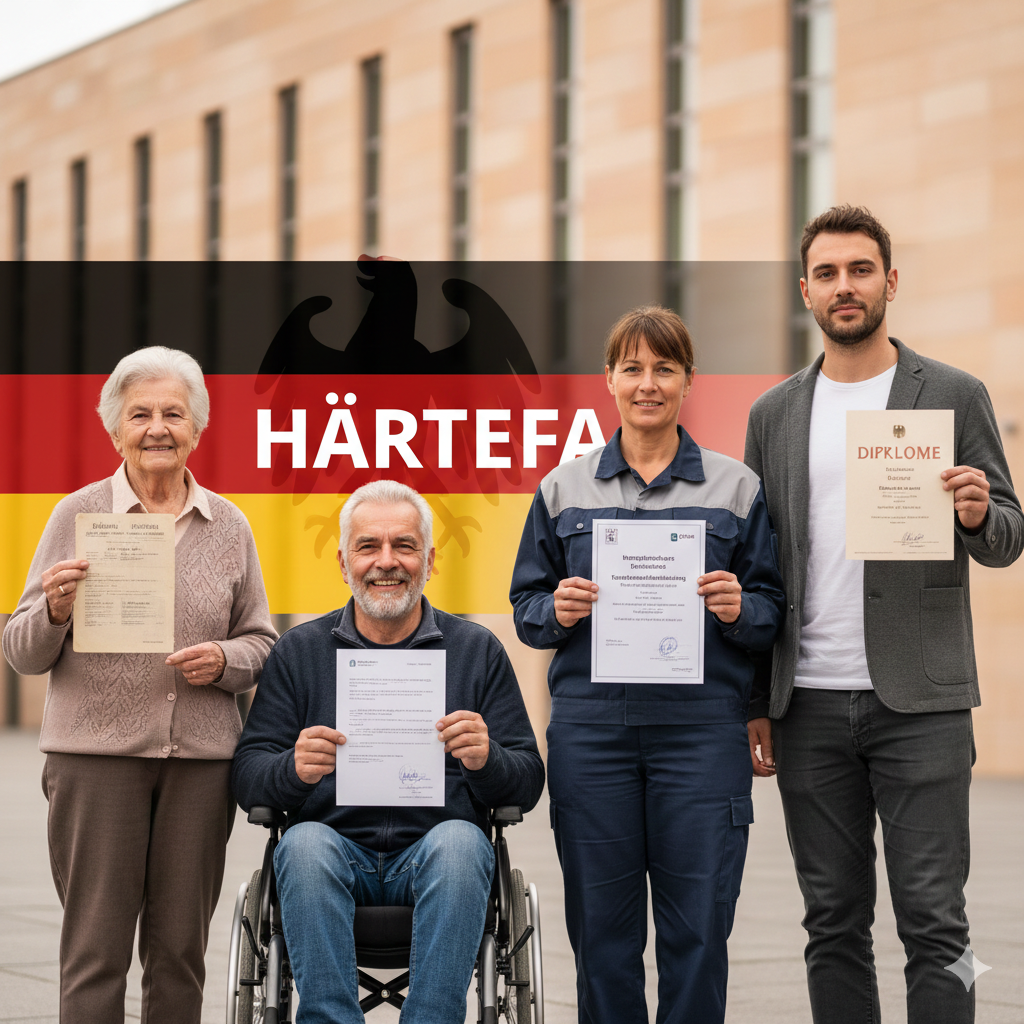
Article Summary
A new citizenship law in Germany allows many people to apply for citizenship after just five years instead of eight. Find out who qualifies and how it affects immigrants, students, and workers.
German Citizenship After 5 Years: Who Benefits From the New Law?
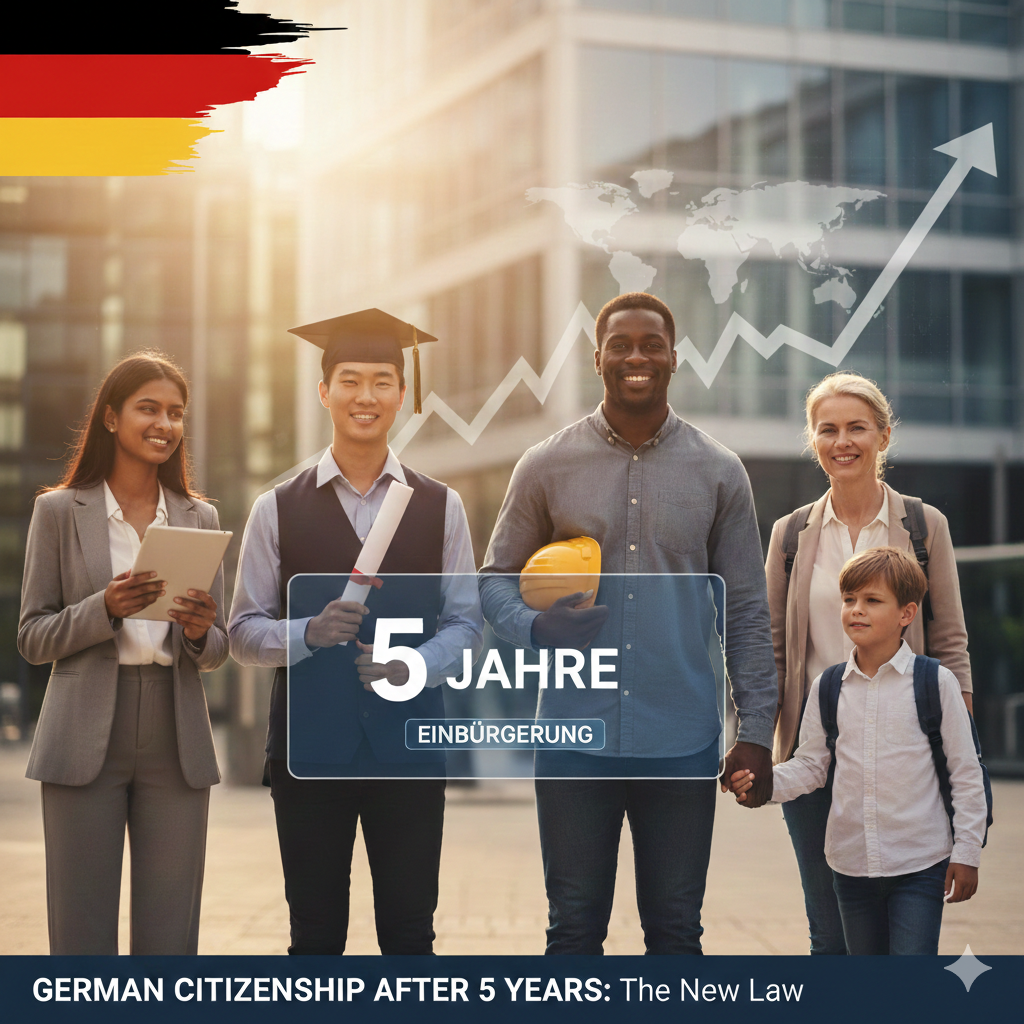
Germany has officially introduced a major change in its citizenship rules. Under the new law, immigrants may now apply for German citizenship after 5 years of residence instead of the previously required 8 years. In special cases, such as strong community involvement or exceptional integration, the process may even be shortened to 3 years.
Why Has Germany Changed the Law?
Germany is currently facing a shortage of skilled workers and wants to remain competitive globally. The government aims to make immigration more attractive, simplify integration, and welcome qualified people into the workforce.
Who Benefits the Most?
✔ Skilled workers (Fachkräfte) – especially IT experts, healthcare staff, engineers
✔ International students who graduate and start working in Germany
✔ People already living long-term in Germany with stable income and language skills
✔ Families with children attending German schools
✔ Refugees with strong integration achievements may qualify earlier
Requirements to Apply for Citizenship After 5 Years
To qualify, applicants generally need to show:
-
Continuous legal residence in Germany for 5 years
-
German language skills (usually Level B1 or higher)
-
No criminal record
-
Ability to support themselves financially
-
Successful integration test
Can You Keep Dual Citizenship?
Yes — the new rules allow dual or multiple citizenships, which means applicants no longer need to give up their original passport in many cases.
Final Thoughts
The new German citizenship law marks a historic shift in immigration policy. It opens the door for millions of newcomers to build a long-term future in Germany. If you are a student, skilled worker, or long-term resident, this could be the perfect time to prepare for your application.